Future-Proofing IT Projects in 2026: Align Software Development with Business Outcomes
Future-Proofing IT Projects in 2026: Align Software Development with Business Outcomes
Most IT projects still miss the mark because software development runs ahead without clear business goals. This gap wastes resources, complicates compliance, and slows value delivery. In 2026, future-proof IT projects demand a sharp focus on aligning software development with business outcomes—cutting waste, boosting compliance, and speeding results. Read on to see how your IT strategy 2026 can deliver measurable impact with genesIT’s proven approach.
Aligning Software with Business Outcomes

How can you ensure that your IT projects deliver the value you expect? Aligning software with business outcomes is key to cutting waste and accelerating success. Let’s explore how to make your IT strategy for 2026 a game-changer.
Importance of IT Strategy 2026
In 2026, the success of your IT projects will hinge on precise alignment with business goals. Most tech initiatives fall short because they veer off course, chasing features over value. A clear strategy ensures every development effort supports your core objectives. This focus saves you time and resources while enhancing your competitive edge. By prioritising business outcomes, you lay the groundwork for sustainable growth.
Measuring Success with OKRs
Setting clear, measurable objectives is critical for tracking success. OKRs (Objectives and Key Results) offer a practical framework for aligning your IT projects with business goals. They provide a roadmap, ensuring every step you take leads to desired results. With OKRs, you can track progress and make data-driven decisions. This clarity empowers your team to stay focused and adapt quickly to changes. By using OKRs, you turn abstract goals into actionable steps, ensuring your IT projects deliver real business value.
Reducing Technology Waste
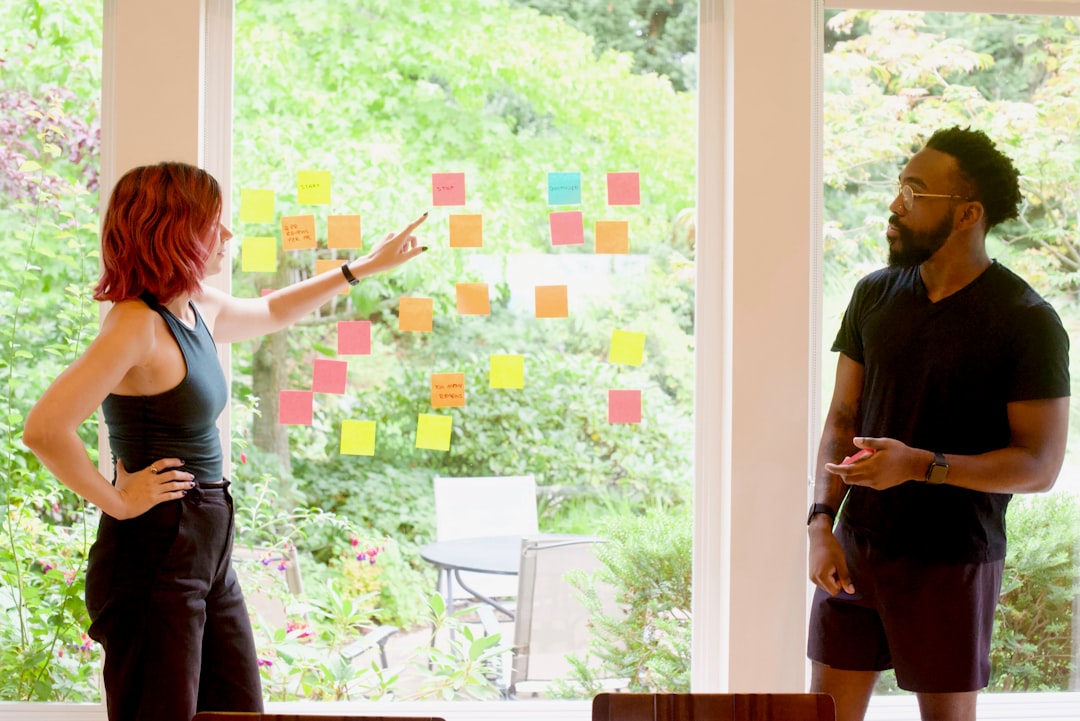
Tech waste is a silent killer of business efficiency. Cutting it requires a laser focus on processes and tools. Here’s how you can transform waste into opportunity.
Streamlining with SDLC Optimisation
Optimising the Software Development Life Cycle (SDLC) is a proven way to reduce waste. Streamlining your development process means identifying bottlenecks and eliminating inefficiencies. You can achieve this by implementing agile practices that encourage collaboration and quick iterations. Focus on continuous feedback and improvement. By fine-tuning each phase of the SDLC, you enhance productivity and ensure that resources are used effectively.
Cloud Cost Optimisation Techniques
Cloud services offer flexibility but can also lead to unexpected costs. Effective cost optimisation techniques are essential. First, regularly review your cloud usage to identify any idle resources or unnecessary services. Consider using automated tools to monitor and manage your cloud expenses. By implementing these techniques, you ensure your cloud investments contribute directly to your business goals. Lowering these costs boosts your bottom line and frees up resources for innovation.
Enhancing Compliance and Governance

Compliance and governance are vital to maintaining trust and avoiding costly fines. Here’s how to make these processes work for you.
Embedding Compliance by Design
Embedding compliance into your design process saves time and reduces risks. From the outset, consider regulatory requirements as part of your development plan. This proactive approach ensures that compliance isn’t an afterthought, but a core part of your project. By integrating compliance early, you avoid costly rework and ensure smoother project delivery. It’s about building trust while protecting your business from potential pitfalls.
Role of Advanced Data Visualisation and Process Mining
Advanced data visualisation and process mining play a crucial role in governance. These tools offer insights into your operations, highlighting inefficiencies and compliance risks. Use process mining to map out workflows and identify improvement areas. Data visualisation helps in communicating complex information clearly to stakeholders. This clarity not only boosts decision-making but also ensures regulatory standards are met. By leveraging these technologies, you transform compliance from a burden into a strategic advantage.
In this ever-evolving digital landscape, aligning your software development with business outcomes is no longer optional. It is a necessity. By focusing on strategic alignment, you cut waste, enhance compliance, and accelerate value delivery. As you prepare for 2026, consider how these strategies can future-proof your IT projects, ensuring they deliver substantial value and drive your business forward.